
Language, Silence, and the Unsaid
The God of Small ThingsThis thematic thread traces how English, Malayalam, childish wordplay, and silence expose the distance between what characters feel and what they can safely say.
increasing Bearing strength in each event
 decreasing
Bearing strength in each eventdecreasingEnglish as a Performance
English as a Performance
Speech Policed
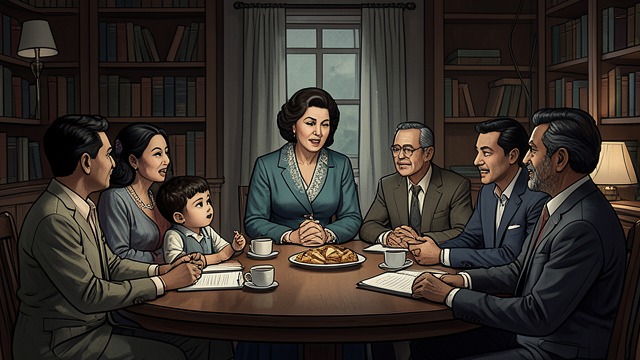
Baby Kochamma punishes the twins for speaking Malayalam and makes them practice English. Their language becomes part of the family’s effort to impress Sophie Mol.
Identity Under Pressure
The children learn that their own language is treated as a liability. Their playful command of words both resists and reveals the pressure to conform.
Children Remake Words
Children Remake Words
Playful Reading
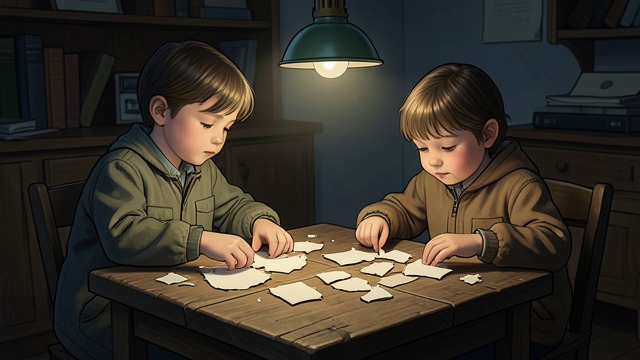
Rahel and Estha reverse signs, reshape sounds, and take words literally. Their games make English a material they can alter rather than simply obey.
A Private Method
Wordplay gives them control over a world governed by adult rules. It also becomes a way to communicate what they cannot discuss directly.
The Big Things Remain Unsaid

The Big Things Remain Unsaid
Small Talk in Public
Family members exchange greetings, jokes, and corrections while grief and resentment remain hidden. The ordinary conversation cannot name the forces shaping the household.
Silence as Protection
The unspoken is not empty; it contains fear, affection, and anger. The family’s speech rules preserve appearances at the cost of understanding.
A Yes That Cannot Be Taken Back
A Yes That Cannot Be Taken Back
A Child Answers
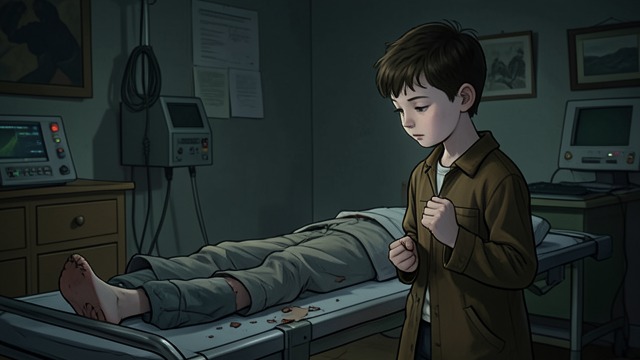
Estha says yes when the Inspector asks whether Velutha hurt the children. He answers under pressure after being shown Velutha’s broken body.
Speech Becomes Evidence
A single word is used to support a false account. The gap between the word and the circumstances in which it was spoken haunts Estha for years.
Silence at the Reunion
Silence at the Reunion
Words Withdrawn
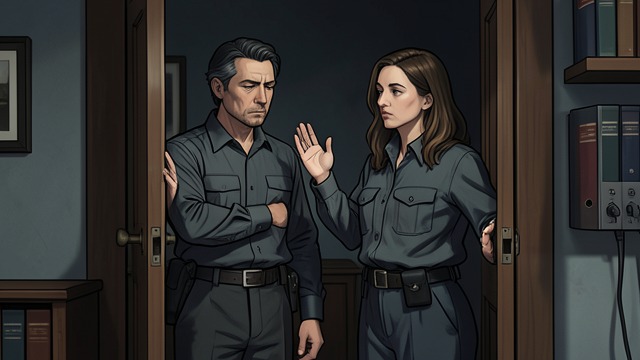
Estha has stopped speaking, while Rahel returns unable to ask for an ordinary reunion. Their quietness is marked by the history they share.
Touch Replaces Speech
At the end, Rahel’s whisper and Estha’s hands carry more meaning than conversation. Their silence remains painful, but it also preserves a form of recognition.
The week before Sophie Mol arrives
During the journey to Cochin
During Sophie Mol’s welcome and the days that follow
At the police station after the children are found
Twenty-three years after Estha was sent away
